

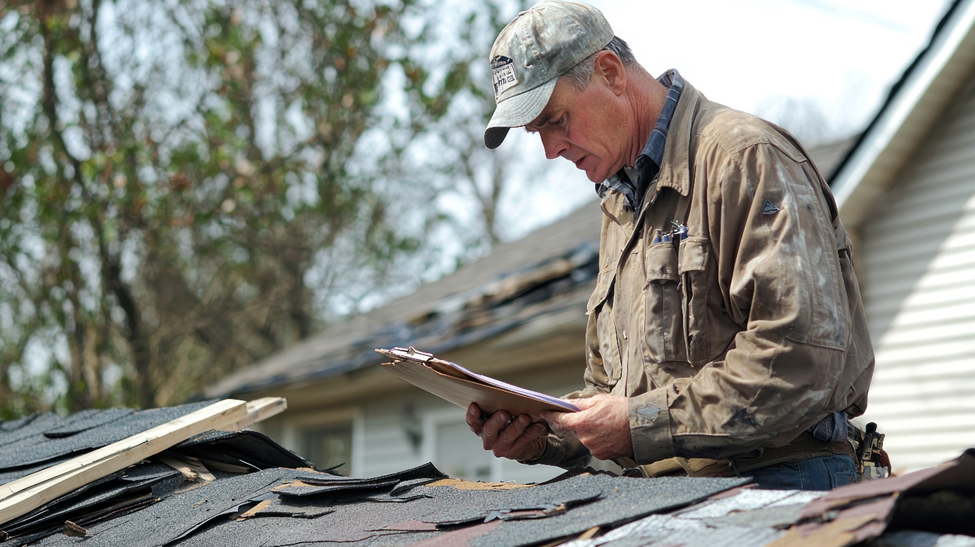
Your roof is arguably one of the most vital parts safeguarding your home. It defends you against the strong sun, sporadic rain, and anything Mother Nature sends your way. However, the reality is that many homeowners only consider their roof when an issue arises. At that point, you could be facing considerable damage. So, what are the indicators that suggest it’s time to replace your roof? Let’s examine the warnings that shouldn’t be overlooked.
Understanding the Roof’s Life Expectancy in California
California’s climate is relatively mild compared to other states, but that doesn’t mean your roof lasts forever. The constant exposure to UV rays, temperature fluctuations, and the occasional harsh weather event all take their toll. Knowing which roofing material lasts longest in California helps you choose replacement options.
Most roofs in California have a lifespan ranging from 15 to 25 years, depending on the materials and maintenance. However, some materials outperform others significantly. For instance, if you’re curious about how long does a TPO roof lasts, you’ll find that TPO (thermoplastic polyolefin) roofing offers competitive longevity compared to traditional asphalt shingles, often lasting between 15 and 20 years with proper care. Knowing your roof’s lifespan helps anticipate replacements before issues worsen.
Age is a Key Factor
Your roof’s age is perhaps the most straightforward indicator of when replacement becomes necessary. If your roof is approaching or has surpassed 20 years, you’re living on borrowed time. Even if it appears to be in decent condition, the underlying structure may be compromised.
Think of it this way, your roof works 24/7, year-round, without a day off. Over decades, the materials degrade, the sealants weaken, and the protective layers wear down. This is especially true in California, where the sun’s intensity accelerates the aging process for all roofing materials.
Choosing Materials That Perform
When considering which roofing material lasts the longest in California, you’ll find several options. Asphalt roofs generally last 15 to 30 years, while tile and metal roofs often last much longer. Metal roofing can extend to 40-50 years or more, making it an excellent long-term investment.
Concrete tiles also perform well in California’s climate, often lasting 40-50 years or more. Understanding which materials offer superior longevity helps you make better replacement decisions for your specific needs.
Visual Signs Your Roof Needs Replacing
Sometimes your roof tells you exactly what you need to know; you just have to look. Walking around your home and inspecting your roof from a safe distance can reveal plenty about its condition. Look for these specific problems that indicate replacement may be necessary:
Missing or Damaged Shingles
Missing shingles are like gaps in your home’s armor. Missing shingles, whether due to wind, storm, or age, expose underlying layers to moisture and UV damage. A few missing shingles can cause water infiltration, worsening the problem and speeding up roof replacement.
Curling and Buckling Shingles
Shingles curling at edges or buckling show they’ve reached the end of their useful life. This typically happens when moisture gets beneath the shingles or when UV exposure makes the asphalt brittle. Curled shingles no longer provide adequate water shedding, making leaks inevitable and replacement urgent.
Granule Loss and Deterioration
Those tiny granules on asphalt shingles serve an important purpose: they protect the asphalt underneath from UV damage. When you notice excessive granules in your gutters or bare spots on the shingles, it’s a sign that protection is failing. This accelerates shingles’ deterioration and considerably shortens your roof’s remaining lifespan, often necessitating an earlier-than-expected replacement.
Water Stains and Leaks
Dark patches on your attic insulation or stains on your ceiling are unmistakable evidence of roof failure. Even small leaks can cause mold, damage, and hazards. Water stains after rain indicate compromised roof integrity and require immediate replacement.
Sagging Ceilings and Structural Issues
A visibly sagging ceiling is a serious red flag. This suggests that water has penetrated the structure over time, weakening the underlying support beams. When you reach this point, replacement isn’t just recommended, it’s essential for your home’s safety and structural integrity.
Weather Damage and California’s Climate Challenges
California’s weather might seem mild, but don’t be fooled. Extreme heat, sudden storms, and occasional wind events can significantly damage even well-maintained roofs. The California sun is relentless. Intense UV exposure breaks down roofing materials faster than in other climates.
Over time, this heat aging causes the protective layers to fail. If your roof receives full sun all day, it will age faster than a roof with partial shade. This is why your roof might need replacement sooner than the industry average suggests, making material selection crucial.
The Cost Factor and Material Options
Let’s address the financial side of roof replacement. Understanding the investment involved helps you plan accordingly and make informed decisions.
Understanding Replacement Investment
If you are wondering, “how much does a new roof cost in California?” The cost varies significantly based on your roof’s size, pitch, and the materials you choose. Premium materials command higher prices, but they often offer better longevity and performance.
Getting multiple quotes from qualified contractors ensures you understand your options and can budget appropriately for your project. Before deciding, consider modern alternatives that offer excellent value.
Is TPO Roofing Worth It in California?
TPO (thermoplastic polyolefin) roofing has become more popular in recent years, and for good reason. If you are wondering, “Is TPO roofing worth it in California?” Absolutely, it offers excellent durability, energy efficiency, and reflective properties that substantially reduce cooling costs.
Many California homeowners find the initial investment justified by long-term savings and superior performance benefits compared to traditional materials. The energy efficiency alone can offset the upfront expense through reduced utility bills.
Longevity of TPO Systems
If you have questions running through your mind about “how long does a TPO roof last?” TPO roofing typically lasts 20–30 years when professionally installed and properly maintained, although the actual lifespan depends on climate, installation quality, and maintenance practices.
This makes it competitive with traditional asphalt shingles while offering superior energy efficiency and resistance to UV damage. The durability of TPO systems makes them an increasingly popular choice for California homeowners seeking reliable, long-lasting protection with modern benefits.
Getting a Professional Inspection and Making the Replacement Decision
Weighing the evidence helps you decide whether to repair or replace. If your roof shows multiple signs of failure, repair costs are rising, or it’s near its lifespan, replacement is likely best. A new roof provides peace of mind and protects your home’s investment for years to come.
You don’t always need to climb onto your roof yourself. Professional inspectors have the expertise to spot problems you might overlook. They can assess structural integrity, identify hidden damage, and provide accurate recommendations about whether repair or replacement makes sense for your specific situation and roof’s condition.
Frequently Asked Questions
1. What is Title 24 roofing compliance?
California’s Title 24 standards require new roofs to be energy-efficient, promoting cool roofing materials that reflect solar heat, cut cooling costs, and reduce environmental impact. Compliance ensures your roof meets state standards and lowers energy use.
2. How often should a roof be inspected?
Industry experts advise inspecting your roof at least twice a year, in spring and autumn, and after severe weather. Professional inspections detect early problems, extend roof life, and prevent costly damage.
3. Does homeowners’ insurance cover roof leaks?
Coverage varies; storm or fallen tree damage is usually covered. However, leaks resulting from wear, neglect, or lack of maintenance usually aren’t. Review your specific policy details and consult your insurer about your roof’s condition to fully understand your coverage.
4. How much does commercial roof replacement cost?
Commercial roof costs depend on building size, pitch, and materials. Flat commercial roofs usually cost more than residential ones due to their larger scale and complexity. Getting multiple quotes from experienced contractors helps secure competitive prices and budget effectively.
5. What are the benefits of cool roofs?
Cool roofs reflect sunlight and heat, lowering interior temperatures and cooling costs. They reduce energy use, extend roof life, and lessen urban heat islands. Many qualify for tax credits and rebates, making them a smart investment.
6. How do I find a trustworthy roofing contractor in California?
Request referrals from friends and family. Verify credentials via licensing databases. Review online feedback, insurance, and warranties. Get written estimates from multiple contractors, ask for references, and ensure they are familiar with California roofing codes. Avoid choosing solely by price.
Final Thoughts
Recognizing when your California roof needs replacement protects both your home and your wallet. From age and visual damage to interior water infiltration, multiple signs indicate it’s time for action. Don’t wait until problems become catastrophic. When you’ve determined that replacement is necessary, consider the long-term benefits of modern roofing solutions.
Professional contractors can guide you through material selection and help you understand options like TPO roofing system installation, which offers excellent performance and durability for California properties. For reliable guidance and quality work, contact California Roofing Services to discuss your roof replacement needs today!